Table of Contents
Introduction
The human resources consulting industry is undergoing one of the most significant transformations in its history. In 2026, the future of HR consulting will be shaped by the rapid adoption of artificial intelligence, automation, and advanced analytics. These technologies are redefining how HR consultants provide value, make decisions, and engage with clients.
As organizations move toward digital-first strategies, the need for strategic HR guidance has never been greater. Companies like Horizon HR Consultancy are at the forefront of this evolution, helping businesses integrate modern HR technology, improve workforce planning, and prepare for the future of work.
This article explores the trends, technologies, and opportunities redefining the HR consulting landscape in 2026.
1. The Changing Landscape of HR Consulting
The HR consulting industry traditionally focused on policy design, recruitment, compliance, and employee engagement. However, this landscape is rapidly evolving due to multiple global factors.
Key Drivers of Change:
- The rise of hybrid and remote workforces.
- Increased reliance on digital HR tools and data analytics.
- The need for agile talent management in uncertain economic environments.
- Growing focus on employee well-being, inclusion, and continuous learning.
- The shift toward skills-based workforce strategies.
Consulting firms that adapt to these drivers will not only survive but thrive in a world that demands faster, more data-driven decision-making.
2. The Role of AI in HR Consulting
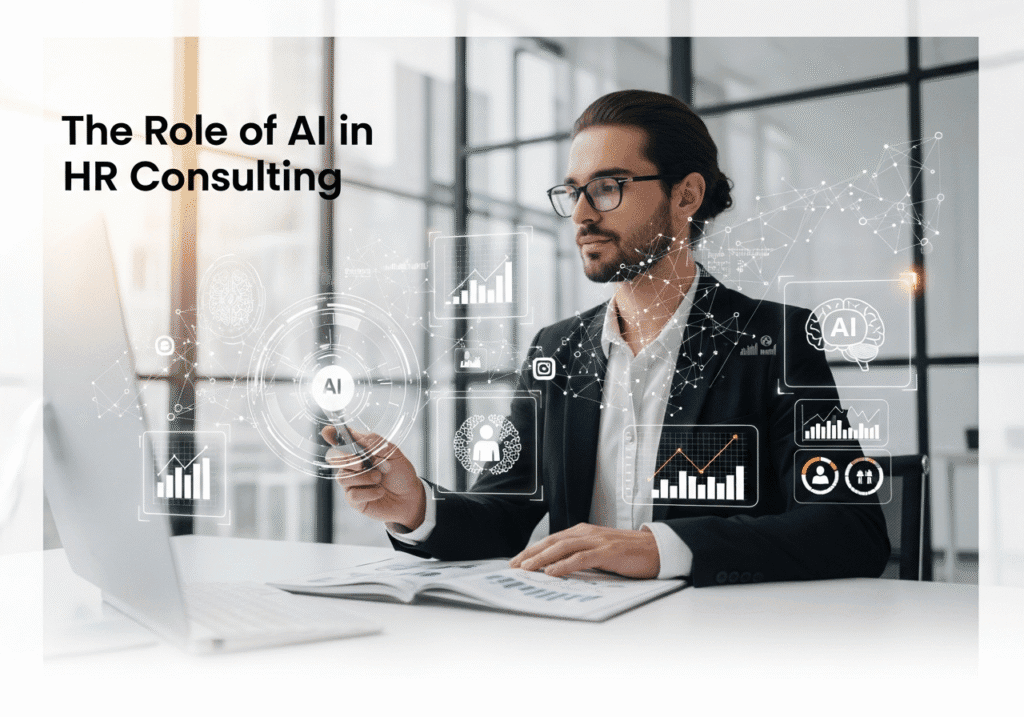
Artificial intelligence is revolutionizing every aspect of HR consulting. The introduction of intelligent algorithms, predictive analytics, and machine learning tools enables consultants to offer insights that were previously impossible.
Major Applications of AI in HR Consulting:
- Talent Acquisition: AI tools improve hiring accuracy by matching candidates to job requirements using behavioral and skill-based data.
- Predictive Workforce Planning: AI systems forecast employee turnover, identify future skill shortages, and support strategic hiring decisions.
- Employee Engagement Analytics: AI analyzes feedback and surveys to identify morale issues and predict engagement risks.
- Learning and Development: Adaptive learning platforms personalize employee training paths based on skill gaps and career goals.
- Process Automation: Chatbots, virtual assistants, and automated HR workflows reduce administrative burden and free consultants for strategic work.
The growing presence of AI in HR consulting shifts the focus from data collection to strategic interpretation. Human consultants remain essential, but their role now involves guiding organizations in using AI responsibly and ethically.
3. HR Technology Trends Shaping 2026
The HR technology trends of 2026 are reshaping not just how organizations operate, but how consulting firms deliver value.
Emerging Trends to Watch:
- Cloud-Based HRIS Solutions: Integrated platforms that manage everything from payroll to performance analytics.
- Employee Experience Platforms: Tools that personalize communication, learning, and engagement in a hybrid environment.
- Internal Talent Marketplaces: AI-powered systems that match employees to internal opportunities based on skills and aspirations.
- Real-Time Analytics: Dashboards offering actionable workforce insights for decision-makers.
- Automation and Digital Onboarding: Streamlined systems for remote hiring and new employee integration.
For HR consultants, these tools are not just optional they are essential. Consulting firms must now combine technology expertise with human-centered strategy. Companies like Horizon HR Consultancy are guiding clients through HR technology implementation and helping them derive measurable business value from these tools.
4. The Future of Work and HR
The future of human resources is intertwined with the evolving world of work. Automation, remote collaboration, and flexible employment models have created a need for continuous adaptation.
Key Shifts Defining the Future of Work and HR:
- Blended Workforces: Human employees work alongside digital systems and AI assistants.
- Flexible Employment Models: The gig economy, project-based work, and hybrid employment contracts are becoming common.
- Employee-Centric Cultures: Organizations prioritize well-being, inclusion, and continuous learning as strategic imperatives.
- Leadership Transformation: Modern leaders must blend emotional intelligence with digital fluency.
- Continuous Consulting Models: Clients now expect ongoing advisory support rather than short-term HR projects.
For HR consultants, this shift requires moving beyond compliance and recruitment to becoming long-term transformation partners. The consultant of the future is a strategic enabler who integrates technology, culture, and human potential into a unified HR strategy.
5. Growth Outlook for the HR Consulting Industry
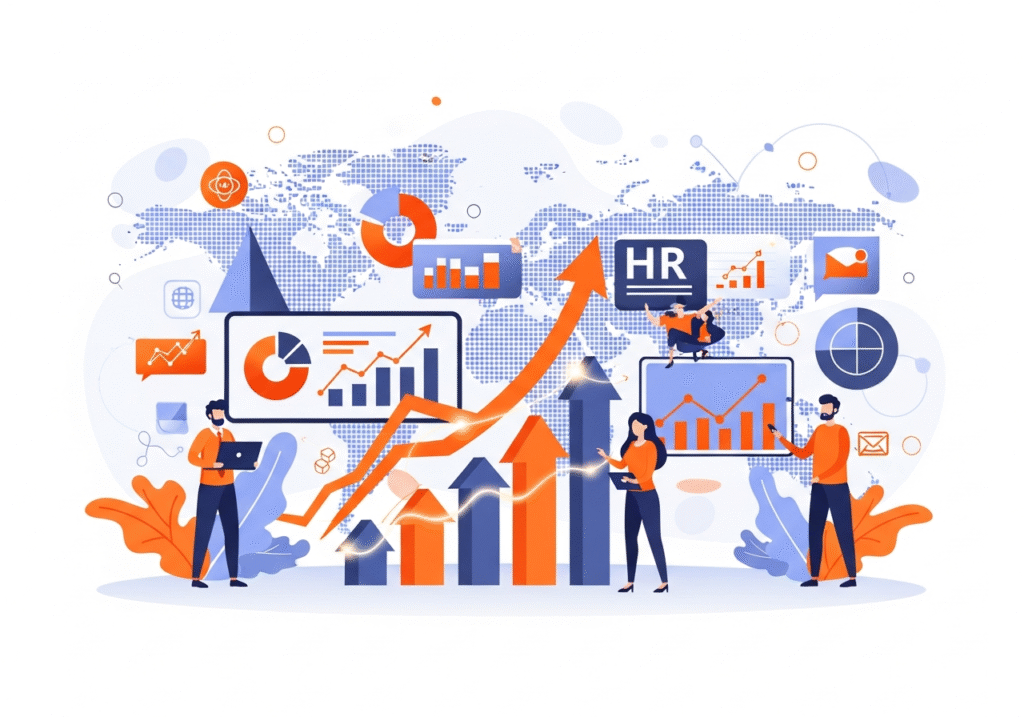
The HR consulting industry growth forecast for 2026 remains strong. Analysts project that the global HR consulting market will reach approximately USD 79 billion by 2026, expanding at a compound annual growth rate of about 7.1% through 2030.
Key Growth Drivers:
- Increased demand for digital HR transformation.
- Rising complexity in managing remote and global teams.
- Need for employee reskilling and talent retention.
- Emergence of data-driven HR decision-making.
- Expansion of small and mid-sized enterprises adopting consulting services.
Strategic Implications for Consulting Firms:
- Invest in AI and analytics capabilities.
- Develop industry-specific HR expertise.
- Create hybrid service models that combine technology and human advisory.
- Partner with HR technology vendors and software providers.
- Focus on measurable outcomes rather than deliverables.
For Horizon HR Consultancy, this is an opportunity to lead the transformation by offering technology-integrated, insight-driven consulting tailored to business needs.
6. Challenges and Risks Ahead
While technology and AI create new opportunities, they also bring unique challenges for HR consulting firms and clients alike.
Major Challenges:
- Limited Adoption Readiness: Many organizations still lack the infrastructure to integrate advanced HR tools.
- Data Privacy and Security: Protecting sensitive employee data remains a top concern.
- Ethical Use of AI: Avoiding bias and ensuring fairness in algorithmic decisions.
- Change Resistance: Employees and managers may resist digital transformation.
- Over-Reliance on Technology: Consultants must balance automation with human judgment.
To address these risks, consulting firms should focus on building digital literacy, adopting ethical AI standards, and maintaining human-centered advisory practices.
Conclusion
The future of HR consulting in 2026 is being redefined by artificial intelligence, technology, and human innovation. Consulting firms that embrace these changes will not only remain relevant but also lead the next phase of organizational growth.
For companies, partnering with the right HR consultancy is crucial. Firms like Horizon HR Consultancy combine strategic HR expertise with technological innovation, helping organizations design agile, future-ready workforces.
As businesses move into 2026 and beyond, one principle remains clear-technology will transform HR, but human insight will continue to lead it.
Frequently Asked Questions (FAQs)
Q1. What is the future of HR consulting in 2026?
The future is centered on data-driven, AI-powered, and people-focused consulting, emphasizing transformation and measurable business impact.
Q2. How is AI used in HR consulting?
AI supports talent acquisition, workforce analytics, learning and development personalization, and predictive workforce planning.
Q3. What are the top HR technology trends in 2026?
Key trends include cloud HR systems, employee experience platforms, talent marketplaces, and automation tools.
Q4. How fast is the HR consulting industry growing?
The industry is expected to grow at over 7% annually, reaching around USD 79 billion by 2026.
Q5. What challenges will HR consulting face?
Major challenges include ethical AI use, data privacy, technology adoption barriers, and maintaining the human element in consulting.